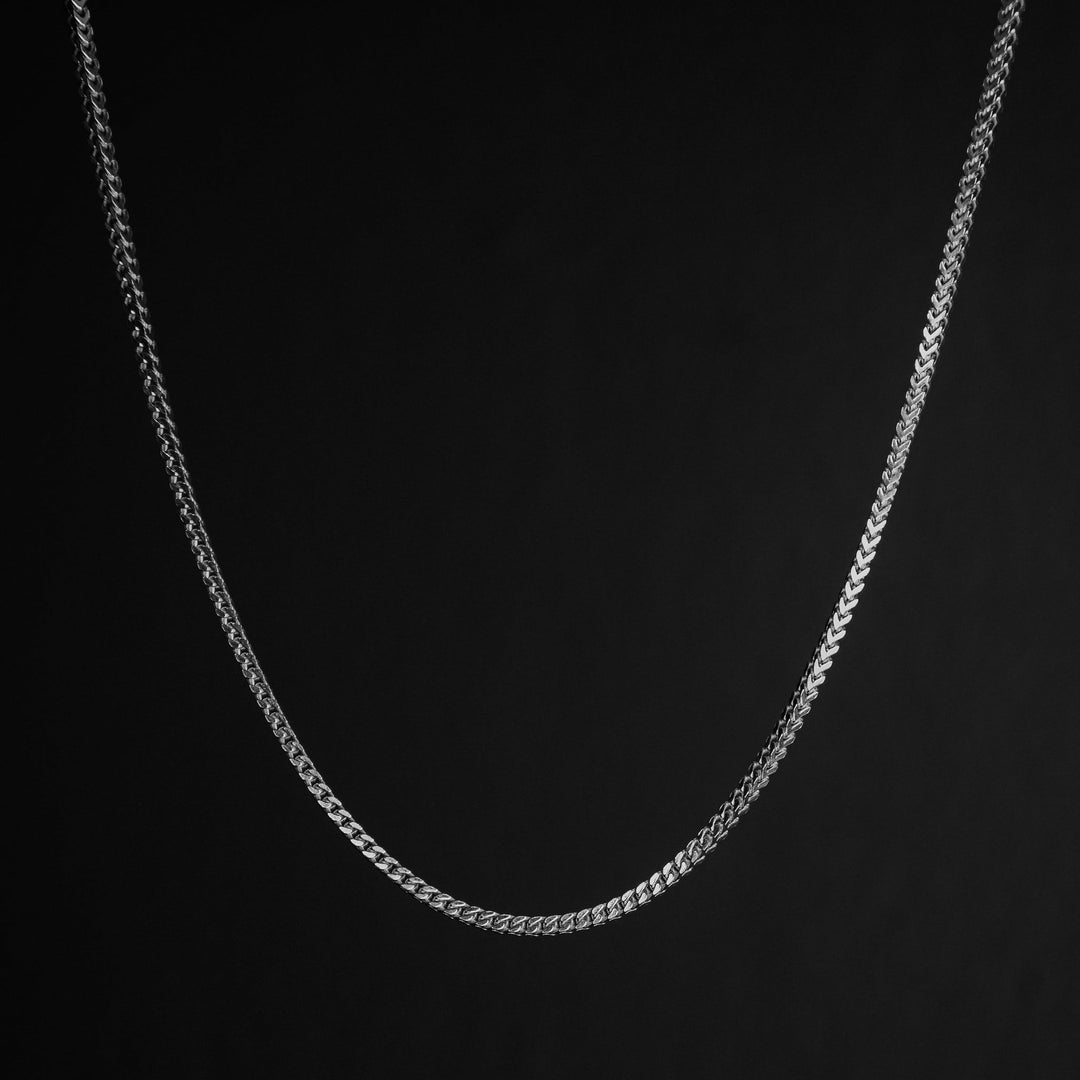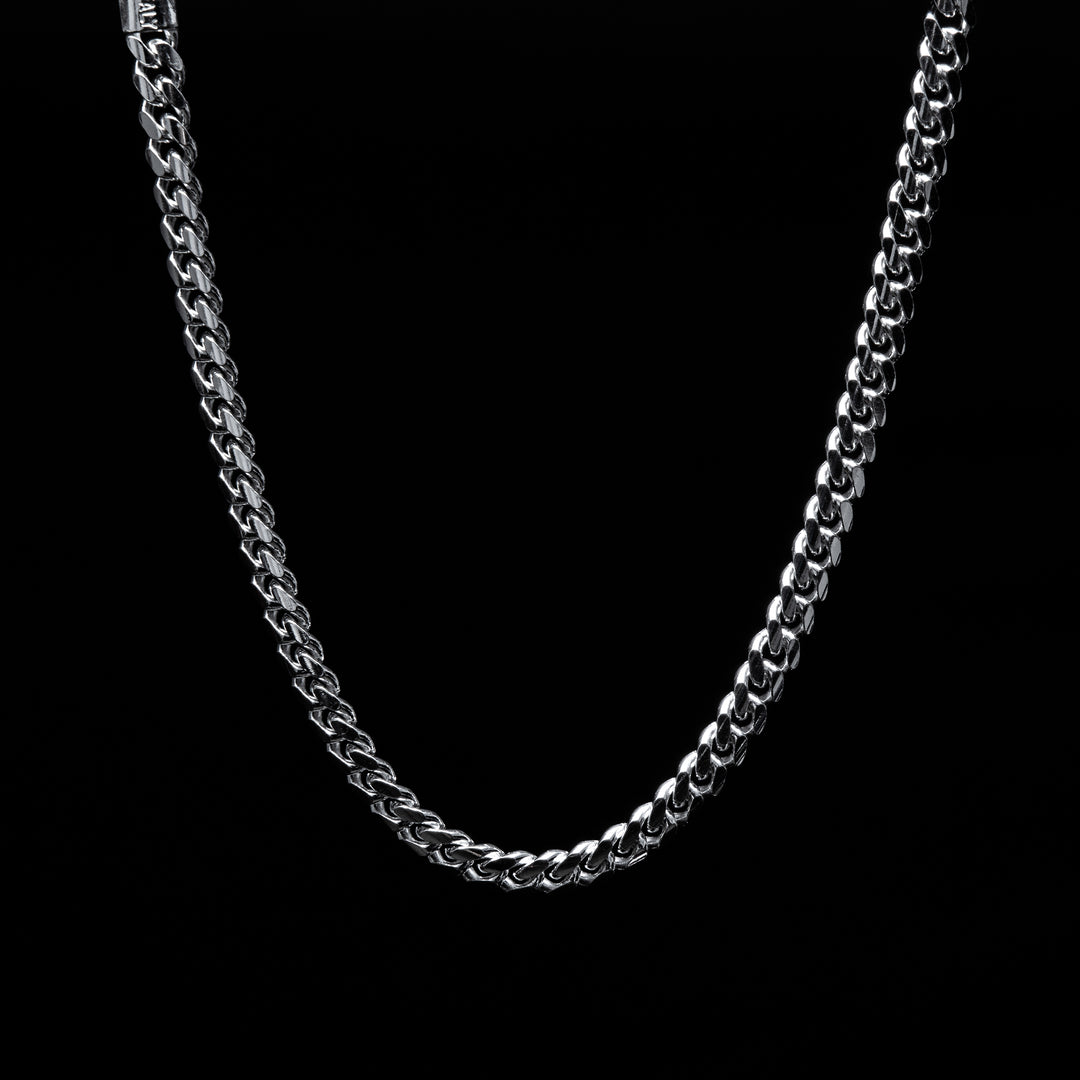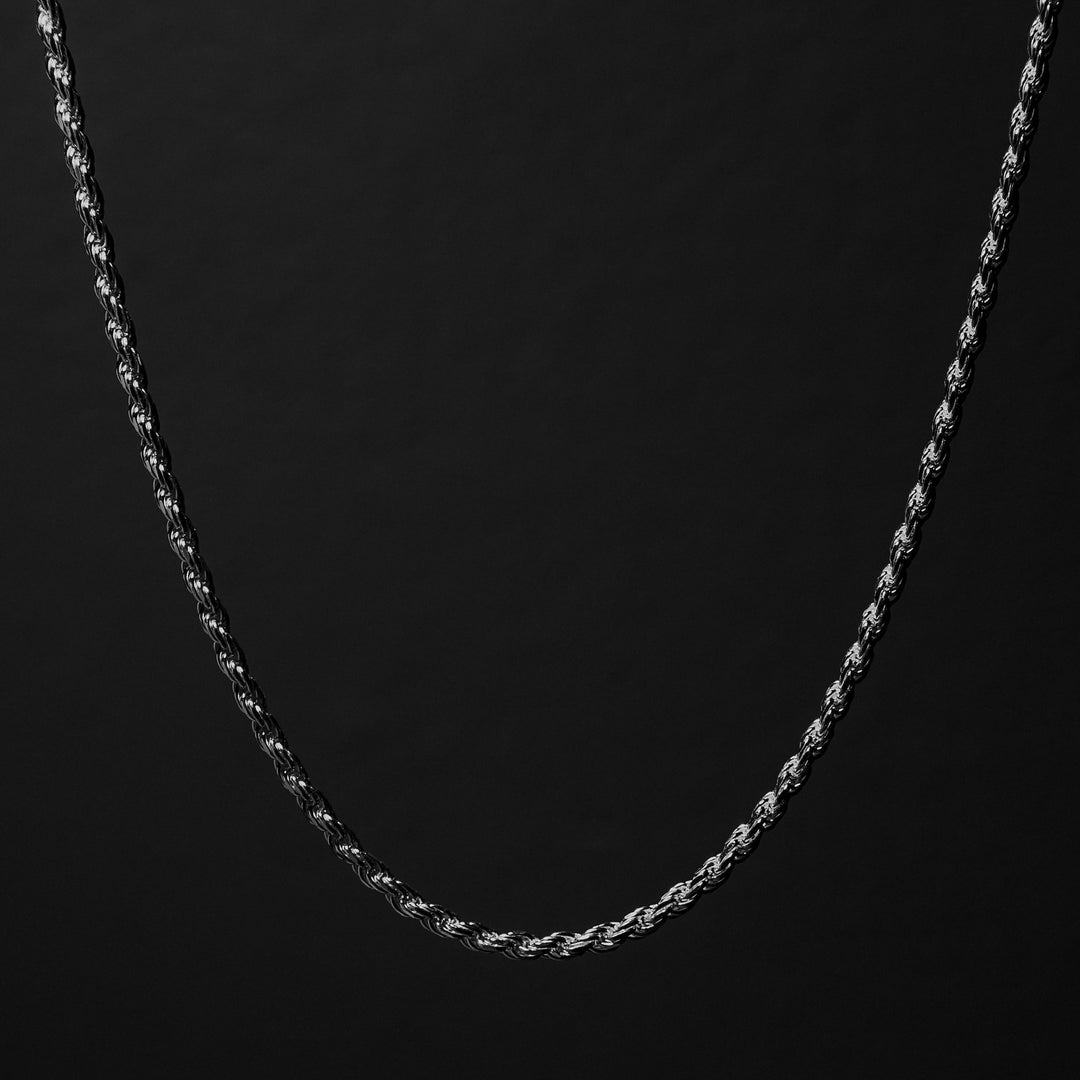



925 Sterling Silver vs Stainless Steel
The Material Standard Behind Men’s Sterling Silver Jewelry
Men’s sterling silver jewelry is defined by weight, presence, aging, and retained value. Yet the most common material comparison today remains 925 sterling silver vs stainless steel. On a screen, the difference can seem cosmetic. In hand, and over time, the separation becomes absolute.
This editorial breaks down that separation clearly, without exaggeration, and without brand noise.
What 925 Sterling Silver Actually Is
925 sterling silver is a precious metal alloy composed of 92.5% pure silver and 7.5% strengthening metals. This balance gives silver its structure, density, and longevity. It has remained the global standard in fine men’s jewelry for generations because it carries intrinsic material value, develops natural surface depth with wear, and holds its relevance beyond fashion cycles.
Sterling silver is not a surface treatment.
It is the metal itself.
What Stainless Steel Actually Is
Stainless steel is an industrial alloy engineered for construction, tools, and mass manufacturing. It is not a precious metal. It holds no intrinsic value. It is not designed to age or develop surface character. Its purpose is consistency and resistance to change.
That stability comes at the cost of depth, weight, and presence.
The Physical Difference in Daily Wear
The difference is felt immediately. Sterling silver carries dense, noticeable weight. It feels warm against the skin. Its surface responds to friction, heat, and time by gaining tone and depth. Stainless steel feels lighter and colder. Its surface remains visually unchanged year after year.
Men move to sterling silver for presence, not for reflection.
Sweat, Heat, and Long-Term Wear
Both sterling silver and stainless steel handle sweat, heat, moisture, and daily movement without structural issues. The divergence appears in outcome. Stainless steel requires no maintenance and remains visually static. Sterling silver benefits from light wiping and continues to evolve with wear.
That minor care translates into stronger visual character and higher retained material worth.
Tarnish Without the Myth
Tarnish on sterling silver is surface-level oxidation. It wipes off. It does not weaken the metal. It does not shorten its lifespan. It confirms that the piece is made from real silver.
Stainless steel does not tarnish because it does not react at the surface. No reaction also means no evolution.
The Upgrade Pattern in Men’s Jewelry
Most men follow the same progression. Entry accessories begin in steel. The first serious purchase arrives in 925 sterling silver. From there, long-term rotation stays anchored in silver. Once the weight and response of real silver becomes familiar, very few choose to step backward.
Why MCKER Uses Only 925 Sterling Silver
Every piece at MCKER is produced in solid 925 sterling silver. This applies across all categories—chains, rings, bracelets, and pendants—without exception. There are no plated bases, no steel cores, and no surface coatings. If the piece carries the MCKER name, it is built entirely from sterling silver.
Design choices focus on dense weight, daily wear resistance, clean masculine structure, and consistent long-term aging. Stainless steel does not meet those standards.
When Stainless Steel Fits
Stainless steel serves short-term use at the lowest material cost. Sterling silver serves long-term rotation, consistent daily wear, and collection-level ownership. One supports temporary utility. The other supports permanence.
The Material Standard
If weight matters, if presence matters, if aging matters, if retained worth matters, the decision is already made. That is why men’s sterling silver jewelry remains the benchmark for serious buyers, and why sterling silver continues to define permanent collections across generations.